Changing a filter automatically updates the other available filters.
WISHLIST ITEMS
CART ITEMS

- CLOTHING
-
GADGETS
-
 Calendars and Diaries
-
 Bags and Packaging
-
 Pen and Pencil Gadgets
-
 Shoppers Bags
-
 Sport and Wellness
-
 Household
- Catering Gadgets
-
 Office School and Events
-
 Sublimation Gadgets
- Towels and Beach Towels
- Sublimation Steins and Mugs
- Sublimation Water Bottles and Thermos Flasks
- Cushions and Pillowcases
- Ceramic Tiles
- Sublimation Umbrella
- Puzzles
- Sublimation Shoppers and Drawstring Bags
- Sublimation Mouse Pads
- Sublimation Plaques and Plates
- Sublimation Backpacks and Bags
- Sublimation Clothing
- Rubberized Felt Fabric for Sublimation
- Beauty Kits
-
 Miscellaneous Categories
-
 ECO Gadgets
-
- TECHNIQUES
- MACHINERY
- SIGNAGE
- PROMOTIONS


SEARCH PRODUCTS ON THE SITE
Changing a filter automatically updates the other available filters.
WISHLIST ITEMS
CART ITEMS
- Dtf Direct to Film
-
CLOTHING
-
 Women
-
 Kids
-
 Men
-
-
GADGETS
-
ECO Gadgets
-
Miscellaneous Categories
-
Sublimation Gadgets
- Beauty Kits
- Towels and Beach Towels
- Sublimation Steins and Mugs
- Sublimation Water Bottles and Thermos Flasks
- Cushions and Pillowcases
- Ceramic Tiles
- Sublimation Umbrella
- Puzzles
- Sublimation Shoppers and Drawstring Bags
- Sublimation Mouse Pads
- Sublimation Plaques and Plates
- Sublimation Backpacks and Bags
- Sublimation Clothing
- Rubberized Felt Fabric for Sublimation
-
Office School and Events
-
Sport and Wellness
-
Household
- Catering Gadgets
-
Pen and Pencil Gadgets
-
Shoppers Bags
-
Calendars and Diaries
-
Bags and Packaging
-
-
TECHNIQUES
-
 Sublimation
-
 Cover Styl
-
 Solar Screen
-
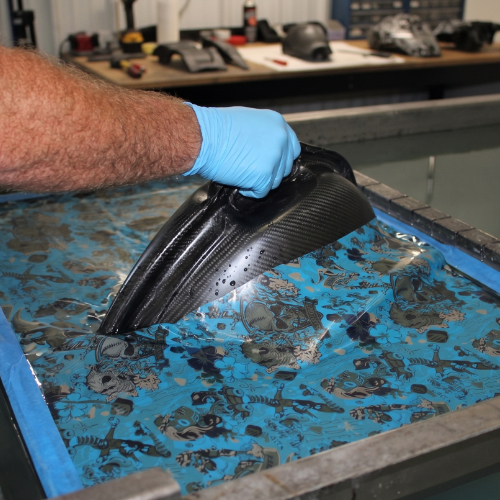 Cubing
-
 Dtf Direct to Film
-
 Screen Printing
-
 DTG-DTF
-
 Polystyrene
-
 Various Techniques
-
 Siser Heat Transfer Vinyls
-
 Digital Printing and Cutting and Plotters
- Transfers for Color Laser Printers
- CLEANING LIQUIDS AND PRIMERS
- Digital Printing Machinery
- ROLAND CARTRIDGES AND INKS
- Digital Printing Products
- Digital Printing Paper
-
 Gamax Encapsulation
-
 Embroidery
-
 Pad Printing
-
- MACHINERY
-
SIGNAGE
- TOOLS AND ACCESSORIES FOR APPLICATION
-
 Roll Ups-Plaques-Road Signs
-
 Bricograph
-
 Panels and Banners
-
 PVC Paper for Signs and Billboards
- PROMOTIONS
Changing a filter automatically updates the other available filters.


DTF Direct to Film: Printers and Consumables for Heat Transfer
DTF Direct to Film: The Revolution in Transfer Printing on Fabric
DTF (Direct to Film) technology is one of the most significant innovations in fabric printing in recent years. This technique allows high-resolution images to be printed on a special film using specific inks and hot-melt powder, and then transferred onto any type of fabric using heat and pressure. Unlike sublimation, DTF works on both cotton and polyester, on light and dark fabrics, with no pre-treatment.
Market Screen Typographic offers a selection of professional DTF printers and Direct to Film consumables, including the Brother GTX-423 Pro Printer for direct-to-garment printing and the four-station DTF Ink Shaker, essential for keeping DTF inks well mixed and ready for use.
See our machines using DTF technology, professional machines for customization companies, by clicking here.
Brother GTX-423 Pro DTG Printer: Versatility and Quality
The Brother GTX-423 Pro Printer is a professional direct-to-garment (DTG) printer with DTF capability, designed for medium-to-high volume production. With new-generation print heads, it ensures high print resolution and excellent color rendering on both light fabrics and dark fabrics with opaque white.
Brother's GTX-423 Pro is compatible with T-shirts, sweatshirts, polo shirts, fabric bags and other standard garments. The height-adjustable print platen allows you to work with garments of different thicknesses, ensuring consistent print quality. The dedicated software automatically manages the amount of white ink to apply depending on the garment color.
DTF Ink Shaker: Why It Is Essential
The four-station DTF Ink Shaker is an essential accessory for any workshop using DTF technology. Unlike conventional inks, DTF inks contain pigments that tend to settle if left standing for a few hours. The shaker keeps the inks constantly moving, preventing sedimentation and ensuring an even distribution of pigments.
Regularly shaking DTF inks before use is essential to: prevent print head clogs, ensure consistent color density, extend ink life and reduce printing problems. The four-station shaker lets you shake several cartridges or bottles at the same time, optimizing the workshop's preparation times.
The DTF Printing Process: From Film to Fabric
The DTF process consists of four main stages: 1) Printing the image on DTF film with specific inks (CMYK + opaque white); 2) Applying hot-melt adhesive powder to the still-wet printed image; 3) Melting the powder in a DTF oven or with a heat press at around 160°C; 4) Transferring the image from the film to the fabric with a heat press (150-160°C for 10-15 seconds). The film is peeled hot or cold, leaving the design perfectly bonded to the fabric. You can find our presses and powders by clicking here.
DTF offers a much wider range of applications than sublimation: it works on cotton, polyester, blends, nylon, denim, synthetic leather and other fabrics, on both light and dark colors. It does not require garment pre-treatment like DTG and allows the film to be transferred at a later time, so transfers can be produced in advance and applied on demand.
DTF vs Screen Printing vs Sublimation: Which to Choose?
DTF is ideal for small and medium runs with complex multi-color designs, for producing transfers to apply to different types of garments, and for workshops wanting to offer a flexible customization service with no limits on colors or fabric type. Screen printing remains cheaper for large runs with few colors, while sublimation is superior for white polyester garments with full-color photographic images.
FAQ - Frequently Asked Questions about DTF Direct to Film
What is DTF printing and how does it differ from DTG?
DTF (Direct to Film) first prints onto a special film and then transfers the image to the fabric with heat and hot-melt powder. DTG (Direct to Garment), by contrast, prints directly onto the garment mounted on the platen. DTF is more flexible because it lets you produce transfers in advance and apply them to any fabric, while DTG is better suited to instant customization of single garments.
Which fabrics does DTF printing work on?
DTF works on practically all fabrics: 100% cotton, polyester, cotton/polyester blends, nylon, denim, fleece, synthetic silk and synthetic leather (eco-leather). There are no limitations on fabric color: it works on both light and dark fabrics. It is one of the few techniques that can print on stretch fabrics such as Lycra and spandex without loss of quality.
How long does a DTF print last through washing?
A correctly made DTF print withstands 40-50 machine washes at 40°C. Durability depends on the quality of the DTF inks and hot-melt powder used, correct calibration of the oven and press, and the type of fabric. To maximize durability, we recommend washing the garment inside out and avoiding the tumble dryer.
What is the main advantage of DTF over screen printing?
DTF does not require separate screens for each color, making it cost-effective to print small runs with complex multi-color designs. It has no limit on the number of colors and allows photographic shading and gradients that are impossible with traditional screen printing. It also requires no long setup times, reducing costs for customizing just a few pieces.
What kind of press is needed to apply DTF transfers?
To apply DTF transfers, a flat heat press is used with a temperature adjustable between 140°C and 165°C and medium pressure. The Siser heat presses available in our Sublimation section are also compatible with the DTF process. The standard pressing time is 10-15 seconds. Some hot-melt powder formulations allow application at lower temperatures for delicate fabrics.
Is DTF hot-melt powder safe to use?
Professional-grade DTF hot-melt powders are produced in compliance with European REACH regulations and contain no hazardous substances in harmful concentrations if handled correctly. It is nevertheless advisable to work in ventilated environments, wear FFP2 masks when handling the powder and avoid inhalation during melting in the oven.


SCREEN PRINTING
GO TO PRODUCTS:
PLOTTER PRINTING AND CUTTING
GO TO PRODUCTS:
SUBLIMATION PRINTING
GO TO PRODUCTS:
PRINTABLE PVC AND CUSTOMIZABLE GADGETS
GO TO PRODUCTS:
MARKET SCREENTYPOGRAPHIC
ADDRESS
Head office:Via Luigi Galvani, 7, 09047 Selargius CA, Italy
Milan branch in ROZZANO:
Atelier della Stampa
Professional Training School
Via Varalli, 1 stabile C16 20089 Rozzano (MI)
PHONE
Head office:
+39 070 846125
+39 070 846189, +39 380 4189458
Milan branch: 331-7488633
Info: info@mstsrl.net
Technical Support: mstassistenza@mstsrl.net
Milan branch: info@atelierdellastampa.it